
When you drizzle honey over your morning toast or stir it into tea, have you ever wondered how this natural sweetener makes its journey from the beehive to your kitchen? Understanding how pure honey is extracted helps you appreciate its value and make informed choices about the honey you bring home.
Pure honey is honey in its most natural state, extracted directly from the honeycomb without excessive heating, filtering, or adding any substances. Raw honey retains all its natural enzymes, antioxidants, vitamins, and beneficial compounds that bees work so hard to create.
Unlike processed honey found in many stores, pure honey hasn't been heated above natural hive temperatures or stripped of its pollen and propolis. This is what gives raw honey its superior nutritional profile and distinctive taste.
The journey of pure honey begins with responsible beekeeping. Ethical beekeepers maintain healthy bee colonies by:
Healthy, well-cared-for bees produce the highest quality honey.
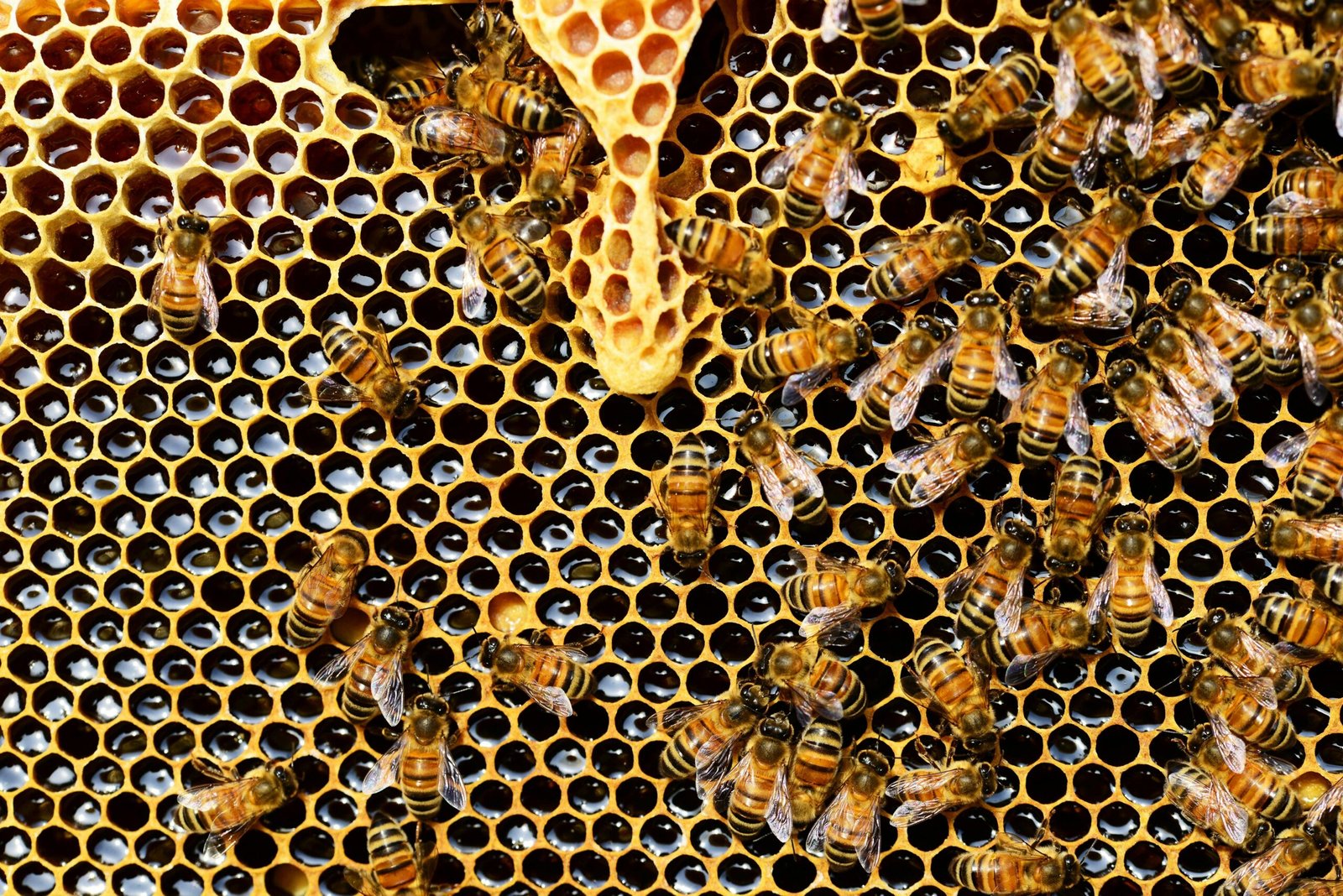
Beekeepers wait until the honeycomb cells are capped with beeswax, which signals that the honey has the perfect moisture content (usually below 18%). Harvesting too early means the honey may ferment, while waiting ensures you get thick, shelf-stable pure honey.
Once ready, beekeepers carefully remove frames filled with honeycomb from the hive. The bees are gently brushed aside or encouraged to leave using natural methods. This process requires patience and respect for the colony.
Each honeycomb cell is sealed with a thin layer of beeswax. Beekeepers use special uncapping tools or knives to remove these wax caps, revealing the liquid gold inside. The wax cappings are often saved and used for making candles or other natural products.
This is where natural honey extraction differs dramatically from industrial processing:
Natural Extraction Method:
What to Avoid: Many commercial operations heat honey above 40°C (104°F) to make it flow faster and easier to filter. This destroys valuable enzymes like diastase and invertase, reduces antioxidant levels, and diminishes the natural benefits of pure honey.
Raw honey is gently strained through a coarse mesh to remove larger particles like wax pieces or bee parts. Unlike industrial honey, it's not micro-filtered, which means:
The extracted honey is allowed to settle in food-grade containers for a few days. Any remaining air bubbles or tiny wax particles rise to the top and are skimmed off. Then, the pure honey is bottled without any additives, preservatives, or processing.
Before I dive into the dramatic story of cliff hunting, let me explain something important: we don't just harvest one type of honey. We're complete honey hunters, working across elevations and ecosystems throughout Nepal.
This is our daily honey, harvested from managed and semi-wild hives in our villages and surrounding areas. The bees forage on diverse local flowers at lower elevations. It's pure, raw, and unpasteurized—the honey our families have relied on for nutrition and medicine for generations. While it doesn't contain the grayanotoxins of mad honey, it's rich in enzymes, pollen, and the distinct flavor of our region.
Harvested from mid-altitude forest regions where bees feed on rudilo (Rhododendron arboreum) flowers along with other forest blooms. This honey sits between our local varieties and the high-altitude cliff honey darker and more complex than local honey, but milder than the potent mad honey. It's less known internationally but highly valued in Nepal for its unique flavor profile.
This comes from Apis laboriosa hives on cliff faces, but from locations where rhododendron species don't produce significant grayanotoxins. It's still rare, still dangerous to harvest, still incredibly pure, but without the psychoactive properties. Many people want authentic wild Himalayan honey without the intense effects of mad honey, and this delivers exactly that.
This is the legendary one. The honey that brings people to Nepal from around the world. Harvested from the highest, most remote cliff faces where wild bees forage exclusively on grayanotoxin-producing rhododendrons. This is what most people mean when they say "mad honey Nepal", the potent, rare, culturally significant honey that defines our reputation as hunters.
The fact that we harvest all of these varieties matters. It means we understand honey across the full spectrum from accessible daily nutrition to rare wild harvests. It means we can tell you exactly what differentiates each type because we've personally collected every single one.
When you choose naturally extracted raw honey, you're getting more than just a sweetener. Benefits of pure honey include:
Remember, while pure honey offers health benefits, it should be consumed in moderation as part of a balanced diet.
With so many options on store shelves, here's how to spot genuine pure honey:
Understanding how pure honey is extracted helps you make conscious choices for your health and wellbeing. The next time you reach for a jar of honey, remember the care that goes into natural extraction from the bees crafting each cell to the beekeepers who respect the process.
By choosing raw, naturally extracted honey, you're enjoying a superior product and supporting sustainable beekeeping practices that protect our precious pollinators. Look for pure honey that honors this ancient craft, and you'll taste the difference in every golden spoonful. Or you can contact us to buy various types of honey from us.
