
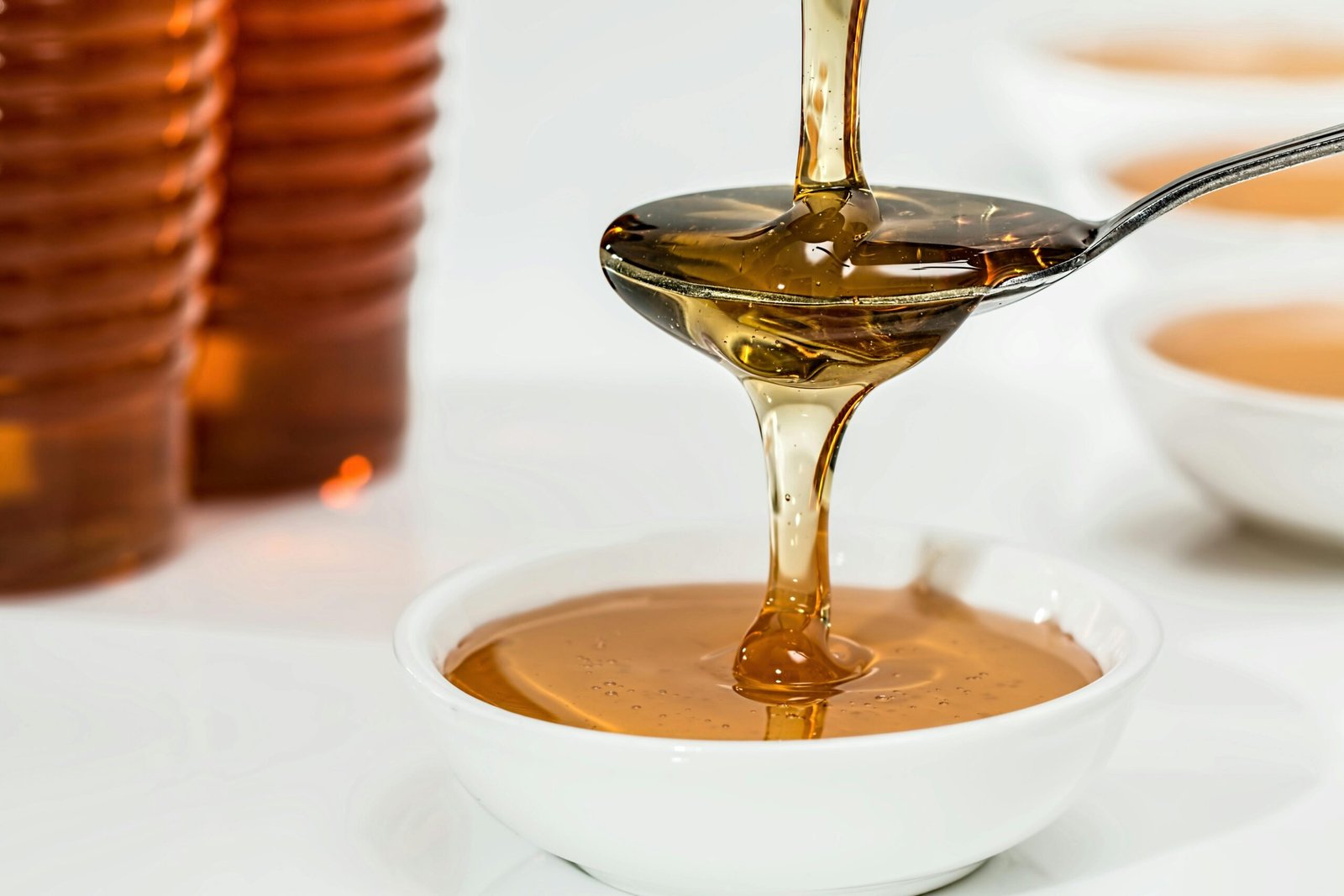
For thousand of years, Honey has been treasured across civilizations not just as a sweetener, but as medicine. Ancient Egyptians used it to treat wounds and preserve bodies. Traditional Chinese and Ayurvedic practitioners prescribed it for digestive ailments and longevity. Greek physicians like Hippocrates documented its healing properties extensively.
Today, modern science is catching up with ancient wisdom. Research confirms what our ancestors instinctively knew: the benefits of honey extend far beyond its delicious taste. This natural sweetener contains a complex blend of nutrients, enzymes, and bioactive compounds that support health in numerous ways.
Whether you're seeking natural remedies for common ailments, looking to enhance your wellness routine, or simply curious about healthier alternatives to refined sugar, understanding honey's therapeutic properties can transform how you approach nutrition and self-care.
Before exploring the health benefits of honey, it's important to understand what makes this substance so remarkable.
Honey is primarily composed of natural sugars, fructose and glucose, but its nutritional value goes much deeper. A typical tablespoon of honey contains approximately 64 calories and provides trace amounts of several essential nutrients.
The darker the honey, generally the higher its antioxidant content. Buckwheat honey, for example, contains significantly more antioxidants than lighter varieties like acacia honey.
One of the most celebrated benefits of honey is its ability to support immune function. The health benefits of honey for immunity stem from its antimicrobial, antioxidant, and anti-inflammatory properties.
Honey contains hydrogen peroxide, created naturally by the enzyme glucose oxidase. This compound helps fight harmful bacteria and fungi. Additionally, the antioxidants in honey help combat free radicals that can weaken immune defenses.
Research has shown that honey can stimulate the production of immune cells, including lymphocytes and phagocytes, which are crucial for fighting infections. Regular consumption of honey may help your body respond more effectively to pathogens.
Tip: The best time to eat honey is Start your day with a teaspoon of raw honey mixed in warm water with lemon to give your immune system a gentle boost.
Honey for digestion has been a traditional remedy across cultures, and modern research supports this use. Honey acts as a prebiotic, feeding beneficial gut bacteria that are essential for digestive health.
Studies indicate that honey can help with various digestive issues. It may soothe inflammation in the digestive tract, reduce symptoms of acid reflux, and help balance gut flora. The enzymes present in raw honey also aid in breaking down foods more efficiently.
For those dealing with occasional stomach discomfort, honey's gentle antimicrobial properties can help address harmful bacteria without disrupting beneficial microbes. Some research suggests honey may even help protect against ulcers caused by H. pylori bacteria.
Unlike refined sugar that causes rapid spikes and crashes in blood glucose levels, honey provides a more balanced energy release. The combination of fructose and glucose in honey is absorbed at different rates, offering both immediate and sustained energy.
Athletes have long recognized honey as a natural performance enhancer. The carbohydrates in honey replenish glycogen stores efficiently, making it an excellent pre-workout or post-workout fuel source.
For everyday energy needs, replacing processed sweeteners with honey can help maintain steadier energy levels throughout the day, reducing the fatigue associated with blood sugar fluctuations.
Emerging research suggests several cardiovascular benefits of honey. The antioxidants in honey, particularly flavonoids, may help reduce the risk of heart disease by lowering blood pressure and improving cholesterol profiles.
Studies have found that honey consumption may help reduce LDL (bad) cholesterol while maintaining or even increasing HDL (good) cholesterol. The anti-inflammatory compounds in honey also protect blood vessels from damage and may prevent the formation of blood clots.
While honey shouldn't be considered a cure for heart conditions, incorporating it as part of a heart-healthy diet may contribute to better cardiovascular wellness.
Perhaps one of the most well-researched uses of honey is for respiratory relief. Multiple studies have demonstrated that honey can be as effective as some over-the-counter cough suppressants, particularly for children over one year of age.
Honey's thick consistency coats the throat, providing immediate soothing relief. Its antimicrobial properties help fight respiratory infections, while its antioxidants reduce inflammation in irritated airways.
A spoonful of honey before bed can significantly reduce nighttime coughing and improve sleep quality during colds or flu. Mixing honey with warm herbal tea amplifies these benefits.
The wound-healing properties of honey have been documented for millennia, and medical-grade honey is now used in hospitals worldwide. Honey creates a protective barrier over wounds while its antimicrobial properties prevent infection.
The hydrogen peroxide in honey provides gentle antiseptic action. Additionally, honey's acidic pH and low moisture content create an inhospitable environment for bacteria. Honey also stimulates tissue regeneration and reduces inflammation, promoting faster healing with less scarring.
For minor burns, cuts, and scrapes, applying a thin layer of raw honey can support the healing process naturally.
The benefits of honey extend to beauty and personal care. Honey for skin and hair has become increasingly popular as people seek natural alternatives to chemical-laden products.
For skin, honey acts as a humectant, drawing moisture into the skin and keeping it hydrated. Its antibacterial properties make it effective for acne-prone skin, while its antioxidants combat signs of aging. Many people use honey in face masks to achieve a natural glow.
For hair care, honey strengthens follicles, adds shine, and can help with scalp conditions like dandruff. Its moisturizing properties help reduce frizz and improve hair texture.
DIY beauty tip: Mix honey with yogurt for a hydrating face mask, or add it to your hair conditioner for extra moisture and shine.
Making honey part of your wellness practice is simple and delicious:
While honey offers numerous benefits, it's not suitable for everyone:
The benefits of honey reach across multiple aspects of health and wellness, from strengthening immunity to healing skin. This remarkable substance represents one of nature's most versatile gifts, combining nutrition with therapeutic properties that have stood the test of time.
As you explore incorporating honey into your life, remember that quality matters. Choose raw, unprocessed honey whenever possible to harness its full potential. Use it mindfully, respecting both its potency and its sweetness.
Whether you're seeking natural remedies, supporting your immune system, enhancing your beauty routine, or simply looking for a healthier way to satisfy your sweet tooth, honey offers a time-tested solution rooted in both ancient tradition and modern science.
By making informed choices about the honey you consume and how you use it, you're not just adding a sweetener to your diet, you're inviting a powerful natural ally into your wellness journey. Your can order different varieties of honey from us.
